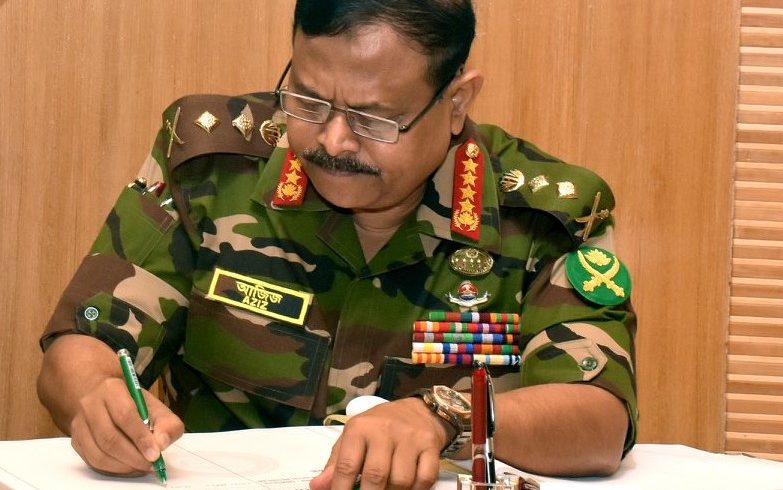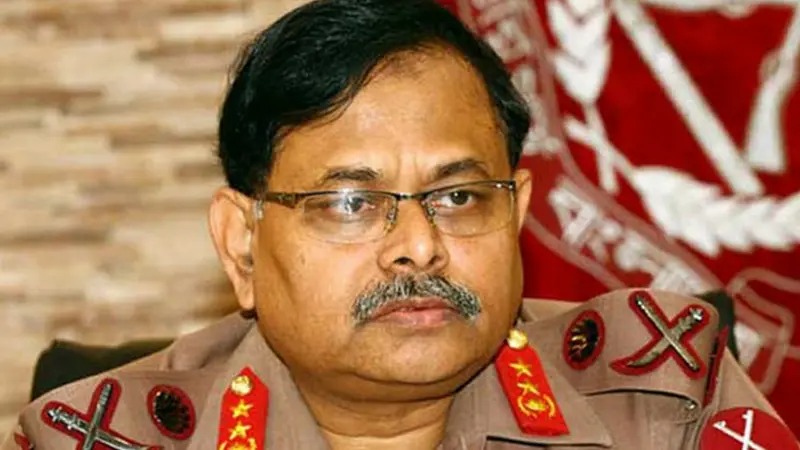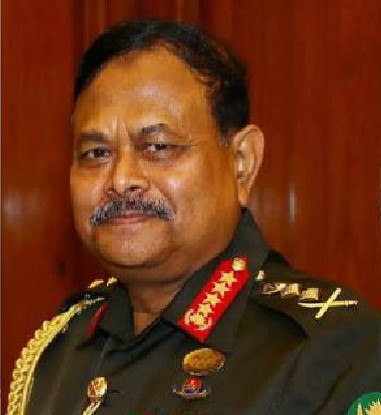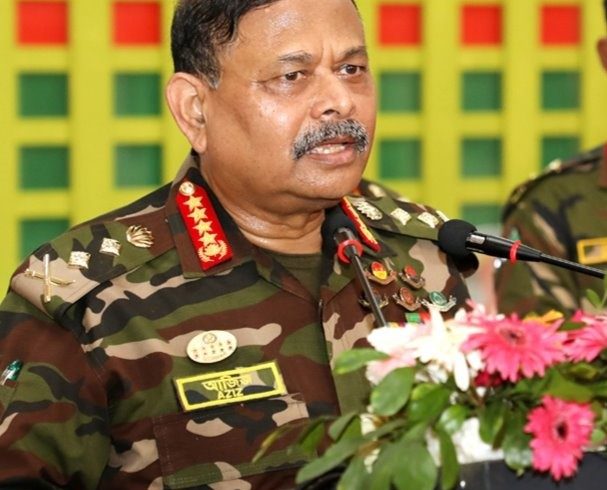
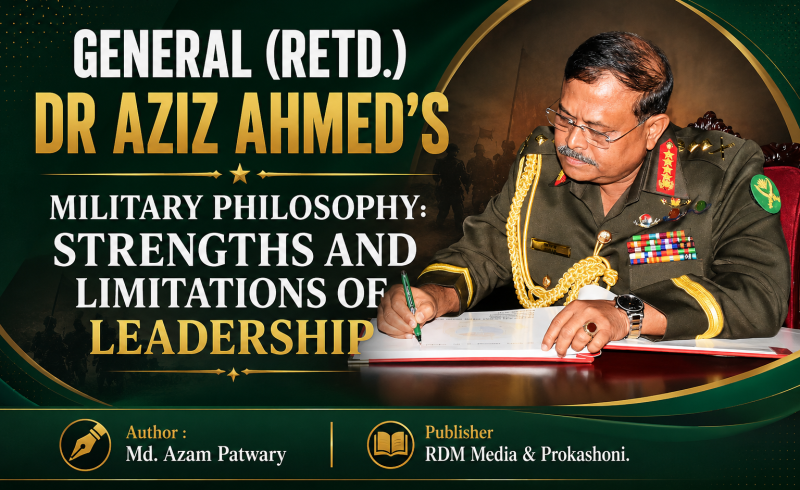
The true identity of a military leader is reflected not merely in rank or position, but in the philosophy with which he leads the institution entrusted to him, prepares it for future challenges, and cultivates professionalism, discipline, confidence, and a sense of responsibility among its members.
The responsibilities of a Chief of Army Staff extend far beyond issuing orders. They encompass strengthening the overall capabilities of the force, improving training, adapting to technological change, maintaining operational preparedness, responding to national requirements, and safeguarding the country’s military reputation in the international arena. Viewed from this broader perspective, General (Retd.) Dr. Aziz Ahmed’s military philosophy reflects an integrated approach. He did not appear to regard military strength simply as a combination of manpower and weaponry. Rather, his public statements and professional activities over the period of his total service life indicate an emphasis on training, technology, professionalism, organizational development, welfare, national responsibility, and international engagement as interconnected elements of military capability.
PROFESSIONAL FOUNDATION AND LEADERSHIP PERSPECTIVE
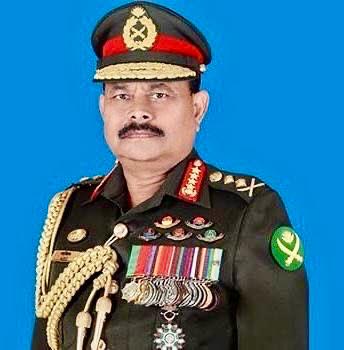
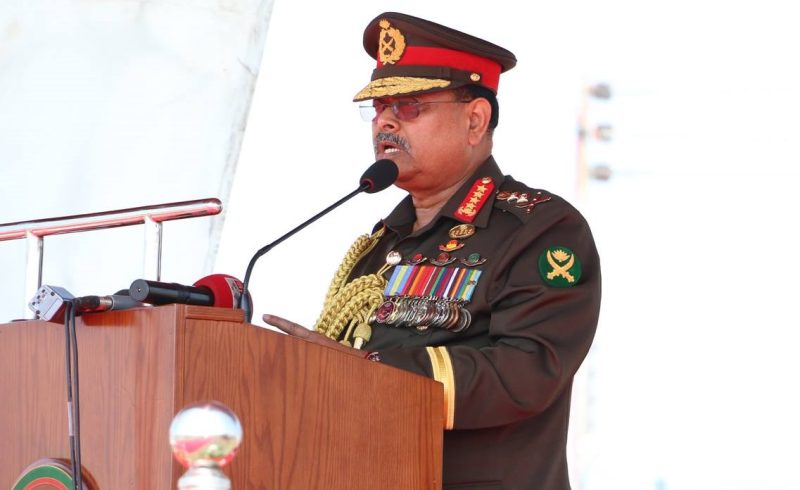
General (Retd.) Dr. Aziz Ahmed assumed office as Chief of Army Staff of the Bangladesh Army on June 25, 2018, and served until June 24, 2021. Before becoming Army Chief, he held a range of command, training, staff or administrative and border-management responsibilities. According to official Bangladesh Army information, he also served as Director General of Border Guard Bangladesh (BGB), where he was involved in organizational restructuring and development of the force, border management and internal law and order of the country.
His professional career therefore provided experience across several dimensions of military service. His subsequent appointment as Army Chief gave him an opportunity to apply that experience at the highest level of institutional leadership. A Chief of Army Staff with extensive field, training, administrative, and organizational experience is naturally positioned to view military development from both practical and strategic perspectives. In General (Retd.) Dr. Aziz Ahmed’s case, his previous assignments appear to have provided an important foundation for his approach to leadership and institutional development.
MODERNIZATION AND FUTURE PREPAREDNESS
One of the most prominent themes of his military philosophy was modernization and preparedness. He repeatedly emphasized the need for an army capable of meeting not only present requirements but also the demands of future warfare and security challenges. Since taking over as Army Chief, he stated that structural reorganization and modernization of the Bangladesh Army were continuing in accordance with the “Forces Goal 2030.” At the same time, he emphasized the importance of basic soldiering skills and improved training so that personnel could make effective use of technological advances.
This reflects an important principle of military modernization: acquiring sophisticated equipment is not sufficient by itself. Advanced systems require trained personnel who can operate, maintain, and employ them effectively. Technology must therefore be accompanied by professional competence, appropriate training, sound decision-making, and adaptability. In this sense, modernization of human resources is as important as modernization of equipment.
THE FOUNDATION OF BASIC SOLDIERING
A significant feature of General (Retd.) Dr. Aziz Ahmed’s stated approach was his emphasis on basic military training. Regardless of technological advancement, the fundamental qualities of a soldier—discipline, physical fitness, weapons proficiency, teamwork, obedience to lawful orders, mental resilience and the ability to function under pressure; remain essential to military effectiveness. The principle is straightforward: a technologically advanced military cannot remain effective if the foundation of basic soldiering is weak. His emphasis on strengthening this foundation therefore represented a practical dimension of his leadership philosophy. Modern warfare may increasingly depend on technology, but technology ultimately remains dependent upon the people who employ it.
TRAINING AND TECHNOLOGY
Another important element was the integration of training with technological development. The contemporary security environment is changing rapidly. Alongside conventional warfare, armed forces must increasingly contend with advanced communications, information technology, surveillance systems, precision capabilities, cyber-related challenges, and increasingly complex operational environments. Such changes inevitably require changes in training methodology.
General (Retd.) Dr. Aziz Ahmed emphasized the development of training-support infrastructure and technology-based training as part of the modernization process. During his tenure as GOC, Army Training and Doctrine Command (ARTDOC), and subsequently as Army Chief, all training institutions placed emphasis on software development and simulator-based training to keep pace with continuous technological advancements and changing battlefield environments. This suggests that his approach was not limited to acquiring new equipment; it also involved preparing personnel and institutions to use emerging capabilities effectively. The distinction is important. A modern army is not simply one equipped with modern weapons. It is an army whose personnel, doctrine, training, infrastructure, command systems, and organizational culture are capable of exploiting those technologies.
PROFESSIONALISM, DISCIPLINE AND CONFIDENCE
Professionalism was another central theme in his leadership philosophy. The effectiveness of a modern military ultimately depends on the quality, discipline, and professionalism of its personnel. At various events, he emphasized professionalism, discipline, confidence, compassion, and a sense of brotherhood among military personnel. These qualities are mutually reinforcing. Discipline provides structure; professionalism promotes competence; confidence enables effective action under pressure; and mutual trust strengthens cohesion.
For a military organization, maintaining an appropriate balance among these qualities is particularly important. Excessive rigidity may inhibit initiative, while excessive flexibility may weaken discipline. Effective military leadership therefore requires an environment in which discipline and institutional standards are maintained while professional confidence and responsible initiative are encouraged.
WELFARE AS A COMPONENT OF MILITARY CAPABILITY
An important but sometimes overlooked aspect of military leadership is personnel welfare. A soldier’s effectiveness is influenced not only by training and equipment but also by his living conditions, healthcare, housing and the security of his family. During General Aziz Ahmed’s tenure, various residential, medical and welfare facilities were developed and inaugurated in different cantonments.
The expansion and modernization of healthcare facilities in all the Combined Military Hospitals and the construction of residential accommodation for officers, soldiers and employees reflected an institutional approach in which welfare was regarded as more than a social obligation. From a military perspective, welfare can contribute directly to morale and institutional loyalty. Personnel who believe that their institution values their wellbeing and that of their families are more likely to develop a stronger sense of commitment to the organization.
THE ARMY AND NATIONAL RESPONSIBILITY
General (Retd.) Dr. Aziz Ahmed’s philosophy also extended beyond conventional military preparedness. He emphasized the Army’s role in responding to national emergencies and supporting the country when required. This dimension is particularly relevant to Bangladesh, where floods, cyclones, fires, landslides and other disasters can require rapid mobilization of organized manpower, engineering resources, logistics and transportation capabilities.
The Bangladesh Army’s ability to contribute to disaster response and national infrastructure development is therefore part of the country’s broader national capacity. The Army’s engineering and organizational expertise can be employed not only for military requirements but also, when directed by the government, for important national projects and emergency response. The COVID-19 pandemic in 2019 further demonstrated the importance of military organizational capabilities in supporting national emergency management.
EXPANSION OF CAPABILITY AND INFRASTRUCTURE
Modernization also requires balanced development across different branches and capabilities. Infrastructure and capability development also featured prominently during the tenure of General (Retd.) Dr. Aziz Ahmed. Official and media reports highlighted initiatives involving the expansion of different branches and units, the development of new infrastructure, the introduction of modern weapons and equipment, and improvements to training-support facilities. In During his tenure, the Bangladesh Army expanded or strengthened a number of units and capabilities, while new equipment TRG 300 MLRS, VT-5 modern Light Tanks, 40 mm Auto Grenade Launchers, modern bridging and communication equipment and technologies were introduced. These included developments involving armour, artillery, engineering, infantry, signals and other specialized capabilities. The broader principle is more significant than any individual procurement. Military expansion becomes meaningful only when manpower, equipment, training, infrastructure, maintenance and logistics develop together.
An army cannot become substantially more capable simply by increasing its inventory. Every new capability requires trained operators, appropriate doctrine, maintenance arrangements, supporting infrastructure and an organizational structure capable of employing it effectively.
PROFESSIONAL KNOWLEDGE AND INSTITUTIONAL LEARNING
The strength of a military leader is measured not only by personal expertise but also by the ability to develop the knowledge and competence of the institution. According to official Bangladesh Army information, General (Retd.) Dr. Aziz Ahmed’s contribution to professional military education and training extended beyond institutional reforms. As GOC, Army Training and Doctrine Command (ARTDOC), he took initiatives to ensure the revision, updating and upgradation of military books, pamphlets, manuals and other professional publications in line with contemporary operational requirements. His contribution was not limited to overseeing these institutional processes. He also personally prepared professional training materials for officers and soldiers, including the “Training Note on Fire Plan” and the “Operation Card for Field Artillery.” These publications were regarded as useful professional references for artillery personnel at different levels and were used to enhance their understanding of fire planning, operational procedures and the practical employment of field artillery.
This aspect of his career reflects a hands-on approach to military professionalism: rather than viewing doctrine and training publications merely as institutional responsibilities, he contributed directly to the development of practical tools intended to strengthen the professional competence of officers and men. A military officer who records, analyzes, and communicates professional experience can contribute to the development of future generations of officers. In that sense, professional writing and knowledge-sharing can transform individual experience into an institutional asset.
ACADEMIC ENGAGEMENT
Another distinctive feature of Dr. Aziz Ahmed’s professional profile was his academic interest in security and border management. In his PhD he completed doctoral research on “Challenges of Border Guard Bangladesh in Border Management: Issues of Transnational Threats.” Advanced academic research can contribute an additional dimension to military professionalism. Military experience provides an understanding of operational realities, while academic research encourages structured analysis of complex security problems.
The combination of practical experience and intellectual inquiry is particularly relevant in an era when security challenges increasingly cross traditional boundaries. Border management, transnational crime, trafficking, smuggling, migration, trans border terrorism and other non-traditional threats require both operational understanding and analytical capacity.
INTERNATIONAL MILITARY COOPERATION AND DIPLOMACY
International military cooperation was another important component of his professional activities. In the contemporary security environment, military capability cannot be developed entirely in isolation. Training exchanges, professional education, joint exercises, peacekeeping operations, technological cooperation, and military-to-military engagement all contribute to the development of professional standards and institutional knowledge.
During General Aziz Ahmed’s tenure as Army Chief, Bangladesh maintained military engagement with a number of countries. His official international visits included engagements in Asia, the Middle East, Africa and the United States. According to official information, he met senior military officials and visited military facilities and training establishments. Such engagements have value beyond ceremonial diplomacy. They provide opportunities to observe other countries’ approaches to training, modernization, technology, education, leadership, and organizational management. For Bangladesh, such engagement is particularly relevant because of the country’s longstanding participation in United Nations peacekeeping operations.
PEACEKEEPING AND PROFESSIONAL REPUTATION
Bangladesh’s participation in UN peacekeeping has provided its armed forces with extensive experience of operating alongside personnel from different countries and military systems. Such missions require discipline, interoperability, communication, adaptability, and the ability to function within multinational command structures. Bangladeshi military personnel serving abroad are also representatives of the country. Their professionalism and conduct therefore contribute not only to the reputation of the Bangladesh Army but also to Bangladesh’s international image. International military cooperation and peacekeeping experience can consequently serve as important instruments of professional development and military diplomacy.
PREPARING FOR FUTURE WARFARE
Future preparedness was another recurring theme in General (Retd) Dr. Aziz Ahmed’s public statements. After assuming the command of Bangladesh Army, he emphasized the need to improve training so that the Army could make maximum use of technological advancement and remain prepared for future battlefields. This approach is consistent with the changing character of warfare. Future conflicts may involve conventional forces alongside information, communications, surveillance, precision systems, cyber capabilities, and increasingly sophisticated decision-making environments. Preparing for such uncertainty requires more than acquiring equipment. It requires adaptable personnel, realistic training, modern doctrine, effective leadership, and institutions capable of continuous learning.
AN INTEGRATED PHILOSOPHY
The principal strength of General (Retd) Dr. Aziz Ahmed’s military philosophy lies in its integrated character. Training cannot be separated from technology. Technology cannot be effectively employed without competent personnel. Competent personnel require professional education and realistic training. Training requires infrastructure and resources. And the sustainability of the entire system depends partly on the welfare and morale of the people who operate it. This creates a chain: Training → Competence → Technology → Capability → Readiness. From this perspective, modernization is not simply a procurement programme. It is an institutional process.
LEADERSHIP AND INSTITUTIONAL CONSTRAINTS
A balanced assessment, however, must also recognize the limitations inherent in the position of a Chief of Army Staff. No Army Chief can personally implement every policy or reform he wishes to introduce. The Bangladesh Army is a large and multilayered institution. Major initiatives require coordination across command headquarters, formations, units, training institutions, administrative structures, logistics systems, and, where necessary, government authorities. Consequently, the effectiveness of an Army Chief depends not only on his personal vision but also on the ability of the wider institution to translate that vision into sustainable practice. This is not necessarily a weakness of an individual leader. It is a fundamental reality of institutional leadership.
A Chief of Army Staff establishes priorities, provides direction, develops leadership culture, allocates attention and resources, and creates an environment for institutional development. Implementation, however, takes place through thousands of personnel operating at different levels. For that reason, the ultimate assessment of a Chief’s leadership should include not only what was initiated during his tenure but also what survived, developed, or became institutionalized afterward.
THE IMPORTANCE OF INSTITUTIONAL CONTINUITY
This raises perhaps the most important question concerning any military leader: What remains after the leader leaves? A Chief of Army Staff eventually relinquishes office, but the Army continues. Technologies evolve, strategic circumstances change, and future leaders face new challenges. A leader’s lasting contribution therefore lies partly in establishing systems and institutional cultures capable of continued development. If modernization, professional training, technological adaptation, welfare, discipline, and institutional learning become embedded in the organization, then the influence of leadership extends beyond an individual tenure. In evaluating Dr. Aziz Ahmed’s leadership, this question of institutional continuity is therefore as important as his individual professional achievements.
SIX INTERCONNECTED PILLARS
The principal themes of his military philosophy can be understood through six interconnected pillars:
A BROAD UNDERSTANDING OF MILITARY STRENGTH
An important lesson emerging from this philosophy is that military strength cannot be measured simply by the number of weapons, platforms, or personnel an army possesses. A genuinely capable military requires people who are physically fit, mentally resilient, professionally competent, technologically proficient, and capable of functioning under pressure. A trained soldier knows how to perform a task. A professional soldier understands why it matters. A confident soldier has the ability to act decisively within the framework of lawful orders and professional responsibility. The combination of these qualities ultimately determines military effectiveness.
CONCLUSION
General (Retd.) Dr. Aziz Ahmed’s military philosophy can broadly be characterized as an integrated approach to preparedness, modernization, professionalism, training, technology, welfare, and national responsibility. His experience in command, training, border management, organizational development, and professional knowledge-building provided a broad foundation for his approach to military leadership. As Army Chief, his public statements and reported initiatives placed emphasis on modernization, technology-supported training, capability development, infrastructure, soldier welfare, national preparedness, and international military engagement.
The principal strength of this philosophy was its recognition that these elements cannot be treated in isolation. Modernization without training is incomplete. Technology without competent personnel has limited value. Training without infrastructure cannot achieve its full potential. And military capability without professional discipline and personnel welfare is difficult to sustain. At the same time, a balanced assessment must acknowledge that the impact of any Army Chief is constrained by the nature of institutional leadership. Policies are implemented collectively, and their ultimate value can be judged only over time. History rarely provides an immediate verdict on military leadership. Its more enduring judgment emerges from the institutional capabilities, professional culture, training standards, and preparedness that remain after a leader has left office. Ultimately, a Chief of Army Staff leaves; the Army remains. Leadership becomes truly consequential when the positive initiatives and professional values promoted during a leader’s tenure transcend the individual and become part of the institution’s continuing culture. In that broader sense, the most notable feature of General (Retd.) Dr. Aziz Ahmed’s military philosophy was its institutional perspective—modernization with training, technology with competence, discipline with confidence, and military capability with human welfare.
The long-term measure of that philosophy will therefore be determined not simply by what was initiated during his tenure, but by how much of it continues to contribute to the development of a modern, professional, capable, and future-ready Bangladesh Army.
Sources/ References:
Author :
Md. Azam Patwary
Publisher
RDM Media & Prokashoni.